MAKE A RESERVATION
 Blog
Blog 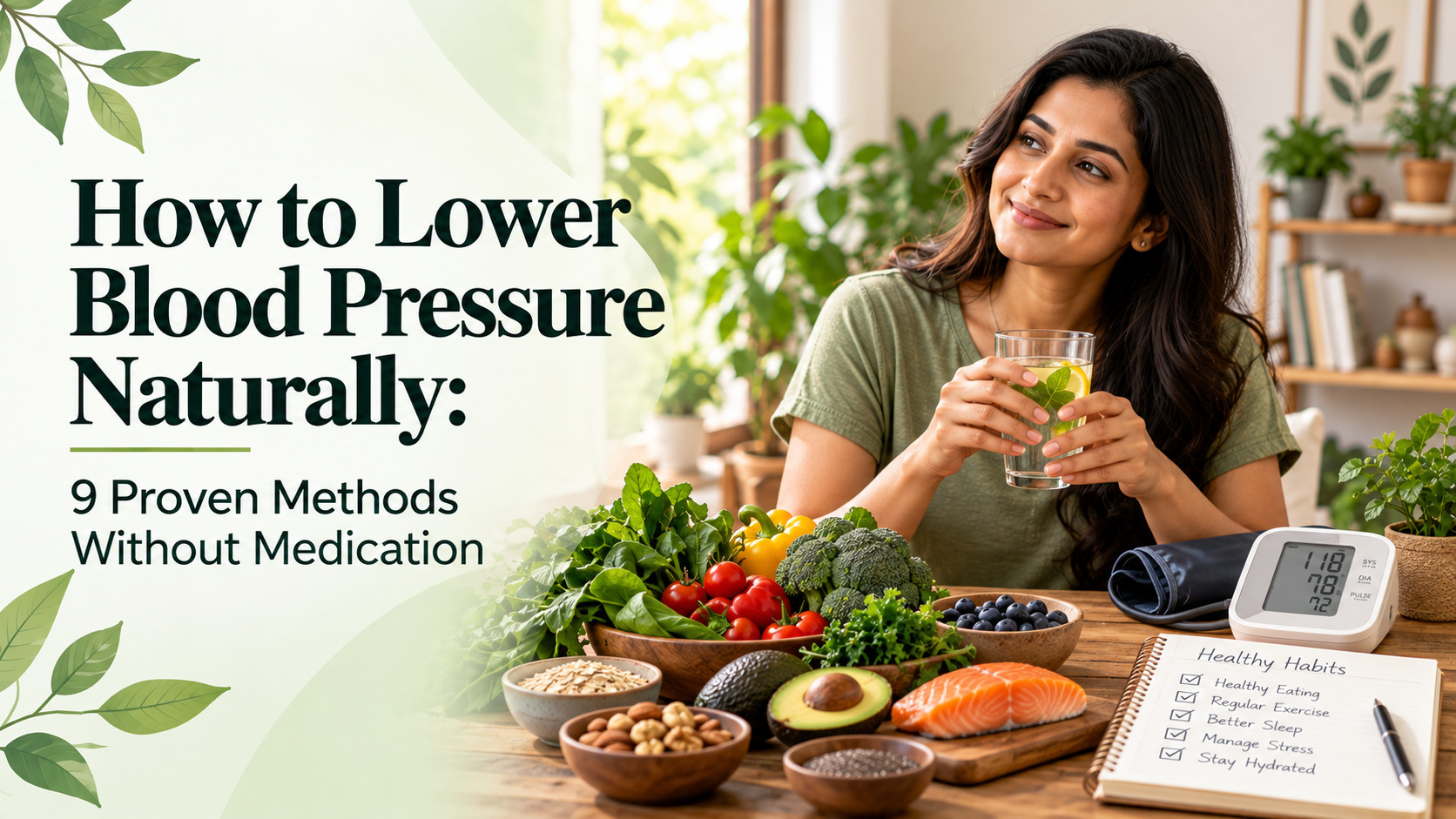
 October 8, 2026
 by
by Table of Contents
- Why Learning How to Lower Blood Pressure Naturally Matters
- 9 Proven Ways to Lower Blood Pressure Naturally
- How Fast Can Blood Pressure Come Down Naturally
- When Medication Is Still Necessary
- Why a Residential Programme Accelerates Results
- Frequently Asked Questions
High blood pressure is often called the silent killer, and the name is accurate. It produces almost no symptoms until it has already damaged your arteries, kidneys, eyes, or heart. India now has an estimated 220 million people living with hypertension, and a large proportion do not know it.
For those who do know, the treatment path is usually straightforward and permanent: a tablet, a follow up in three months, and an assumption that this will continue indefinitely. Medication is genuinely valuable and has prevented countless strokes. But it controls the reading without changing what is producing it, which is why doses so often increase over time rather than decrease.
Understanding how to lower blood pressure naturally means understanding what is actually raising it: sodium and processed food, sustained stress, excess weight, physical inactivity, arterial inflammation, poor sleep, and alcohol. Every one of these is modifiable. At Nirvana Naturopathy Ayurveda Hospital and Retreat, guests with Stage 1 and Stage 2 hypertension frequently see meaningful reductions within a single seven day residential programme, and this article explains the nine methods that produce those results.
Why Learning How to Lower Blood Pressure Naturally Matters
Blood pressure medication works by dilating vessels, reducing blood volume, or slowing the heart. All of these lower the number. None of them reduce the sodium load, calm the overactive sympathetic nervous system, reduce arterial stiffness, or address the excess weight driving the problem.
This distinction matters practically. People who only medicate typically find their requirement increases over the years. People who address the underlying drivers frequently find their requirement decreases, sometimes to nothing. The World Health Organization identifies lifestyle modification as foundational to hypertension control worldwide, and the evidence behind each of the methods below is substantial.
9 Proven Ways to Lower Blood Pressure Naturally
1. Cut Sodium Drastically, Not Just Table Salt
This is the fastest single lever available for how to lower blood pressure naturally, and most people underestimate it because they focus on the salt shaker. The majority of sodium in a modern Indian diet comes from packaged foods, pickles, papad, namkeen, bakery products, restaurant food, and processed items rather than salt added at the table.
In our residential programme the therapeutic diet is essentially salt free for the first several days, and this alone commonly produces a drop of five to fifteen millimetres of mercury within seventy two hours. It is a dramatic and immediate demonstration of how responsive blood pressure is to sodium.
2. Increase Potassium Rich Foods
Potassium counteracts sodium at the level of the kidney and relaxes blood vessel walls. Bananas, coconut water, spinach, sweet potato, beans, tomatoes, and citrus fruits all raise potassium intake naturally. The sodium to potassium ratio matters more than sodium alone, so raising potassium while lowering sodium produces a compounding effect.
People with kidney disease need medical guidance here, since potassium handling is impaired and excess can be dangerous. This is one reason a supervised programme is safer than self directed change.
3. Practice Daily Pranayama and Deep Breathing
This is the most underrated method for how to lower blood pressure naturally. Slow breathing at around six breaths per minute activates the parasympathetic nervous system and reduces sympathetic drive, producing measurable reductions in both systolic and diastolic pressure.
Anulom Vilom, Bhramari, and Sheetali pranayama are used daily in our protocol. Fifteen to twenty minutes of slow breathing produces an immediate reduction, and sustained daily practice produces a lasting one. It costs nothing and works reliably.
4. Lose Abdominal Weight
Every kilogram of weight loss produces roughly one millimetre of mercury reduction in blood pressure. Abdominal fat in particular drives insulin resistance and inflammation, both of which raise pressure. A five to ten kilogram reduction can meaningfully change the medication requirement for many people.
This is why weight and blood pressure are addressed together in our programme rather than separately. Guests typically lose three to five kilograms in seven days and five to nine in fourteen.
5. Walk Every Day
Thirty to forty five minutes of brisk walking daily lowers blood pressure by five to eight millimetres of mercury on average, comparable to a low dose medication. It works by improving endothelial function, the ability of blood vessel walls to relax appropriately.
Consistency matters far more than intensity here. Daily moderate walking outperforms occasional intense exercise for blood pressure specifically, which makes it one of the most achievable methods for how to lower blood pressure naturally.
6. Treat Stress as a Medical Variable
Chronic stress raises blood pressure through sustained sympathetic activation and elevated cortisol. This is not a soft factor. For a significant proportion of the guests we see, particularly working professionals, stress is the primary driver rather than diet.
Shirodhara, yoga nidra, meditation, and the removal of daily pressure in a residential setting address this directly, and are among the reasons blood pressure often falls faster in a residential programme than at home even with identical dietary change.
7. Fix Your Sleep
Poor sleep and untreated sleep apnoea are strongly associated with resistant hypertension, meaning blood pressure that stays high despite multiple medications. Restoring sleep quality and duration is a genuine blood pressure intervention, not a general wellness suggestion.
Anyone with hypertension who snores heavily, wakes unrefreshed, or experiences daytime sleepiness should be evaluated for sleep apnoea, because treating it can transform an otherwise unresponsive case.
8. Reduce or Eliminate Alcohol
Regular alcohol consumption raises blood pressure directly and reduces the effectiveness of medication. Reduction produces measurable improvement within two to four weeks. This is one of the more difficult changes for many people and one of the more reliably effective.
9. Use Hydrotherapy and Mud Therapy
These are the methods most people have never encountered. Neutral immersion baths reduce peripheral vascular resistance and sympathetic activation, producing immediate reductions. Cold abdominal and spinal mud packs stimulate vagal activity, which is the body’s own blood pressure lowering pathway.
In our programme these are prescribed daily, and post treatment readings commonly show reductions of five to fifteen millimetres of mercury from a single session. They are a core part of how we deliver rapid results in a residential setting.
How Fast Can Blood Pressure Come Down Naturally
Faster than most people expect, provided the changes are made together rather than one at a time. Sodium restriction produces effects within seventy two hours. Pranayama produces an immediate acute reduction and a cumulative one over weeks. Weight loss contributes progressively. Stress reduction can be dramatic for stress driven hypertension.
In our seven day programme, most guests with Stage 1 or Stage 2 hypertension see a ten to twenty five millimetre of mercury reduction in systolic pressure and five to fifteen in diastolic. Guests on multiple medications frequently leave with reduced doses, always adjusted by our resident doctors based on daily monitored readings.
In a fourteen day programme, normalisation below 130 over 80 without medication is a realistic outcome for Stage 1 hypertension. Sustaining it depends entirely on continuing the dietary and lifestyle protocol at home.
When Medication Is Still Necessary
Being straightforward about this matters. Anyone with very high readings, established cardiac disease, previous stroke, kidney disease, or secondary hypertension caused by an underlying condition needs medication. For people with cardiovascular conditions we treat, natural methods work alongside medication rather than instead of it.
Never stop or reduce blood pressure medication on your own. Rebound hypertension is genuinely dangerous. Any dose reduction should follow measured readings over time and be made by the doctor who prescribed it. In our programme, blood pressure is measured daily and any adjustment is made by our resident physicians, not by guests.
Why a Residential Programme Accelerates Results
Everything described above can be done at home, and some people do it successfully. Most do not, for practical reasons rather than lack of will. Family meals are cooked with salt, work stress continues, walking gets skipped, and there is no daily reading to show whether any of it is working.
A residential setting removes every one of these obstacles at once. Meals are prepared to a doctor prescribed specification, therapies are administered daily, blood pressure is measured every morning so the effect is visible in real numbers, and stress is genuinely reduced rather than theoretically managed. That combination is why a week can produce what months of intermittent effort at home often does not.
Frequently Asked Questions
How can I lower my blood pressure immediately at home?
For an immediate short term reduction, sit quietly and practise slow deep breathing at around six breaths per minute for ten to fifteen minutes, which reliably lowers readings acutely. A cold compress on the forehead or a neutral temperature foot soak also helps. These are temporary measures. Sustained reduction requires the dietary, weight, activity, and stress changes described above.
Can high blood pressure be cured permanently without medicine?
Stage 1 hypertension driven by lifestyle factors can frequently be normalised and maintained without medication, provided the changes are sustained. Stage 2 hypertension often requires medication initially with the possibility of dose reduction over time. Secondary hypertension caused by kidney or endocrine disease requires treatment of the underlying condition. The word cure should be used carefully here, but significant and lasting reduction is realistic for many people.
Which food reduces blood pressure quickly?
Potassium rich foods act fastest: coconut water, banana, spinach, sweet potato, and citrus. Beetroot deserves particular mention, since its nitrate content converts to nitric oxide which dilates blood vessels, and studies have shown measurable reductions within hours of consumption. Garlic, flaxseed, and hibiscus tea also have supporting evidence.
How much can walking lower blood pressure?
Thirty to forty five minutes of brisk walking daily lowers systolic pressure by roughly five to eight millimetres of mercury on average, which is comparable to a low dose antihypertensive. The effect builds over four to six weeks of consistent practice and is lost if the habit stops, which is why daily consistency matters more than occasional intensity.
Does stress alone cause high blood pressure?
Stress alone can raise blood pressure substantially, and for a meaningful proportion of people it is the dominant driver rather than a contributing one. Sustained sympathetic activation and elevated cortisol produce genuine, measurable hypertension. This is why guests whose hypertension is primarily stress related often see the most dramatic reductions in a residential setting.
Bring Your Blood Pressure Down Under Medical Supervision
If you would rather address the cause than increase the dose, our doctors can design a programme around your current readings, your medications, and your health history, with daily monitoring throughout. Contact us for a free pre admission consultation.