MAKE A RESERVATION
 Blog
Blog 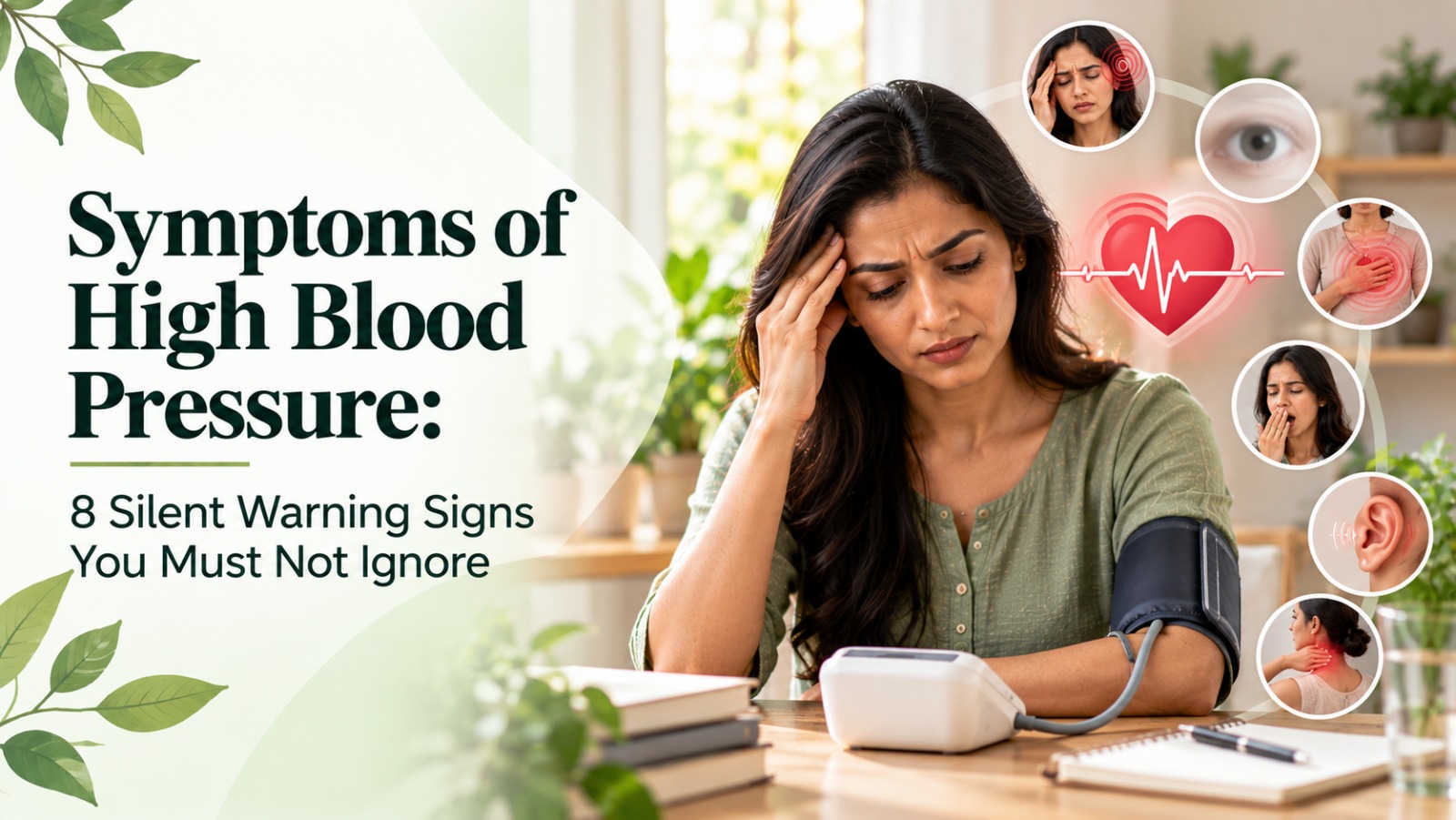
 October 11, 2026
 by
by Table of Contents
- Why the Symptoms of High Blood Pressure Are So Easy to Miss
- 8 Symptoms of High Blood Pressure You Should Not Ignore
- Emergency Symptoms That Require Immediate Attention
- Understanding Your Blood Pressure Numbers
- What to Do If You Recognise These Symptoms
- Frequently Asked Questions
High blood pressure has earned its reputation as a silent condition honestly. Most people with hypertension feel entirely normal, which is exactly what makes it dangerous. Damage to the arteries, kidneys, eyes, and heart accumulates quietly over years while the person feels fine and sees no reason to get checked.
The World Health Organization estimates that a large proportion of people with hypertension worldwide are unaware they have it. In India, with an estimated 220 million affected, the proportion of undiagnosed cases remains substantial. This is not because the condition is hard to detect. A blood pressure measurement takes two minutes. It is because nothing prompts people to have it done.
That said, high blood pressure is not always entirely symptomless. There are signs, and they tend to be subtle, easy to attribute to stress or tiredness, and therefore ignored. This article covers the eight symptoms of high blood pressure our doctors at Nirvana Naturopathy Ayurveda Hospital and Retreat encounter most often, along with the emergency signs that require immediate medical attention.
Why the Symptoms of High Blood Pressure Are So Easy to Miss
Blood pressure can be substantially elevated for years without producing anything that clearly announces itself as a cardiovascular problem. The body adapts. Arteries stiffen gradually, the heart muscle thickens to cope with the increased workload, and the person adjusts to a slightly lower level of wellbeing without ever identifying a specific problem.
When symptoms do appear, they are non specific: a headache, some fatigue, occasional dizziness. Each has a dozen ordinary explanations. This is why the symptoms of high blood pressure are worth knowing as a pattern rather than individually, and why regular measurement matters more than waiting for a signal.
8 Symptoms of High Blood Pressure You Should Not Ignore
1. Early Morning Headaches at the Back of the Head
The most characteristic of the symptoms of high blood pressure. A dull, throbbing headache located at the back of the head and neck, present on waking and easing through the morning, is a classic hypertensive pattern. It occurs because blood pressure naturally peaks in the early morning hours. A headache that follows this specific pattern warrants a blood pressure check.
2. Dizziness or Lightheadedness on Standing
Feeling unsteady, particularly when standing up quickly, can reflect the impaired blood pressure regulation that accompanies sustained hypertension. It can also be a side effect of blood pressure medication, which is worth mentioning to your doctor rather than simply tolerating.
3. Blurred or Disturbed Vision
The small blood vessels in the retina are among the first to be damaged by sustained high pressure, a condition called hypertensive retinopathy. Blurring, spots, or a general sense that vision has deteriorated can reflect this. An eye examination can actually reveal hypertensive changes, which is one reason routine eye checks are more valuable than most people realise.
4. Shortness of Breath With Ordinary Activity
Becoming breathless climbing stairs or walking at a pace that was previously comfortable suggests the heart is working harder than it should. Over time, sustained hypertension thickens the heart muscle and reduces its efficiency. New breathlessness with routine exertion is among the more significant symptoms of high blood pressure and deserves prompt evaluation.
5. Chest Discomfort or Tightness
A sensation of pressure, tightness, or discomfort in the chest, particularly with exertion, should never be dismissed. It may reflect the increased cardiac workload of hypertension or underlying coronary disease. This symptom warrants medical assessment rather than observation, and if it is severe or accompanied by breathlessness or sweating it is an emergency.
6. Palpitations or Awareness of Your Heartbeat
Feeling your heart pounding, racing, or beating irregularly can accompany hypertension, since the heart is working against higher resistance. It may also indicate arrhythmia, which occurs more commonly in people with long standing high blood pressure. Persistent palpitations should be investigated with an ECG.
7. Persistent Fatigue and Reduced Exercise Tolerance
A gradual decline in energy and stamina is one of the most easily dismissed symptoms of high blood pressure, because it develops slowly and gets attributed to age or work. When the heart is straining against elevated pressure over years, overall efficiency declines, and this shows up as tiredness before it shows up as anything more specific.
8. Nosebleeds and Facial Flushing
Neither is a reliable indicator on its own, and both have many innocent causes. However, recurrent unexplained nosebleeds in an adult, particularly alongside other symptoms on this list, are worth a blood pressure check. Facial flushing with a sensation of heat and pressure in the head similarly warrants measurement rather than dismissal.
Emergency Symptoms That Require Immediate Attention
Certain presentations indicate a hypertensive crisis and require emergency care immediately rather than an appointment. These include a sudden severe headache unlike any previous headache, chest pain particularly with breathlessness or sweating, sudden weakness or numbness on one side of the body, difficulty speaking or confusion, sudden loss or severe disturbance of vision, and severe breathlessness at rest.
Any of these, particularly in someone known to have high blood pressure, requires immediate emergency medical attention. Do not wait, do not drive yourself, and do not attempt to manage it at home with rest or breathing exercises.
Understanding Your Blood Pressure Numbers
Normal blood pressure is below 120 over 80. Elevated is 120 to 129 systolic with diastolic below 80, and represents a warning stage worth acting on. Stage 1 hypertension is 130 to 139 systolic or 80 to 89 diastolic. Stage 2 hypertension is 140 or above systolic or 90 or above diastolic. A reading above 180 over 120 constitutes a hypertensive crisis requiring immediate attention.
A single elevated reading does not establish a diagnosis. Blood pressure varies with stress, activity, caffeine, and even the anxiety of being measured in a clinic. Diagnosis requires readings on multiple occasions, ideally including home measurements taken in a relaxed state at consistent times.
If you are measuring at home, sit quietly for five minutes first, keep your arm supported at heart level, avoid caffeine and exercise for thirty minutes beforehand, and record readings at the same times each day.
What to Do If You Recognise These Symptoms
Start by measuring rather than speculating. Home blood pressure monitors are inexpensive and reliable, and a week of morning and evening readings gives your doctor far more useful information than a single clinic measurement.
If readings are consistently elevated, get a proper evaluation including kidney function tests, lipid profile, blood glucose, and an ECG, since these establish both the cause and the extent of any existing impact.
Then act on the drivers. Stage 1 hypertension frequently responds to sodium reduction, weight loss, daily walking, stress management, and improved sleep without requiring medication. Stage 2 usually requires medication initially, with the possibility of reduction over time as the underlying factors improve.
In our residential programme for cardiovascular conditions treated at Nirvana, guests with Stage 1 and Stage 2 hypertension typically see a ten to twenty five millimetre of mercury reduction in systolic pressure within seven days, achieved through therapeutic diet, daily hydrotherapy and mud therapy, yoga and pranayama, and genuine stress reduction, with blood pressure measured every morning so the effect is visible rather than assumed.
Frequently Asked Questions
What are the first signs of high blood pressure?
Early morning headaches at the back of the head, dizziness on standing, reduced exercise tolerance, persistent fatigue, and occasional blurred vision are the most commonly reported early symptoms. That said, the majority of people with early hypertension have no symptoms at all, which is why measurement rather than symptom watching is the reliable approach.
Can you feel high blood pressure in your head?
Some people describe a sensation of pressure, heaviness, or throbbing in the head, particularly at the back and particularly in the early morning. This is a recognised pattern. However, most people with elevated blood pressure feel nothing in their head at all, so the absence of this sensation does not indicate normal blood pressure.
At what blood pressure should I be worried?
Readings consistently at or above 130 over 80 warrant attention and lifestyle intervention. Readings at or above 140 over 90 usually require medical treatment alongside lifestyle change. A reading above 180 over 120 is a hypertensive crisis requiring immediate emergency care, particularly if accompanied by chest pain, severe headache, breathlessness, or neurological symptoms.
Does high blood pressure cause tiredness?
Yes, though the connection is often missed. When the heart works against sustained elevated resistance over years, overall cardiac efficiency declines, and reduced energy and exercise tolerance follow. Blood pressure medication can also cause fatigue as a side effect, so persistent tiredness after starting treatment is worth discussing with your doctor rather than accepting.
Can high blood pressure be reversed naturally?
Stage 1 hypertension driven by lifestyle factors can frequently be normalised through sustained sodium reduction, weight loss, daily activity, stress management, and improved sleep. Stage 2 usually requires medication initially, though many people reduce their dose over time as underlying factors improve. Any medication change must be made by your doctor based on monitored readings, never independently.
Get Your Blood Pressure Properly Assessed
If you recognise several of these symptoms, or simply have not had your blood pressure checked in a while, it is worth doing something about now rather than later. Our doctors offer a free pre admission health consultation to review your readings and reports and recommend an appropriate course of action.