MAKE A RESERVATION

 Blog
Blog 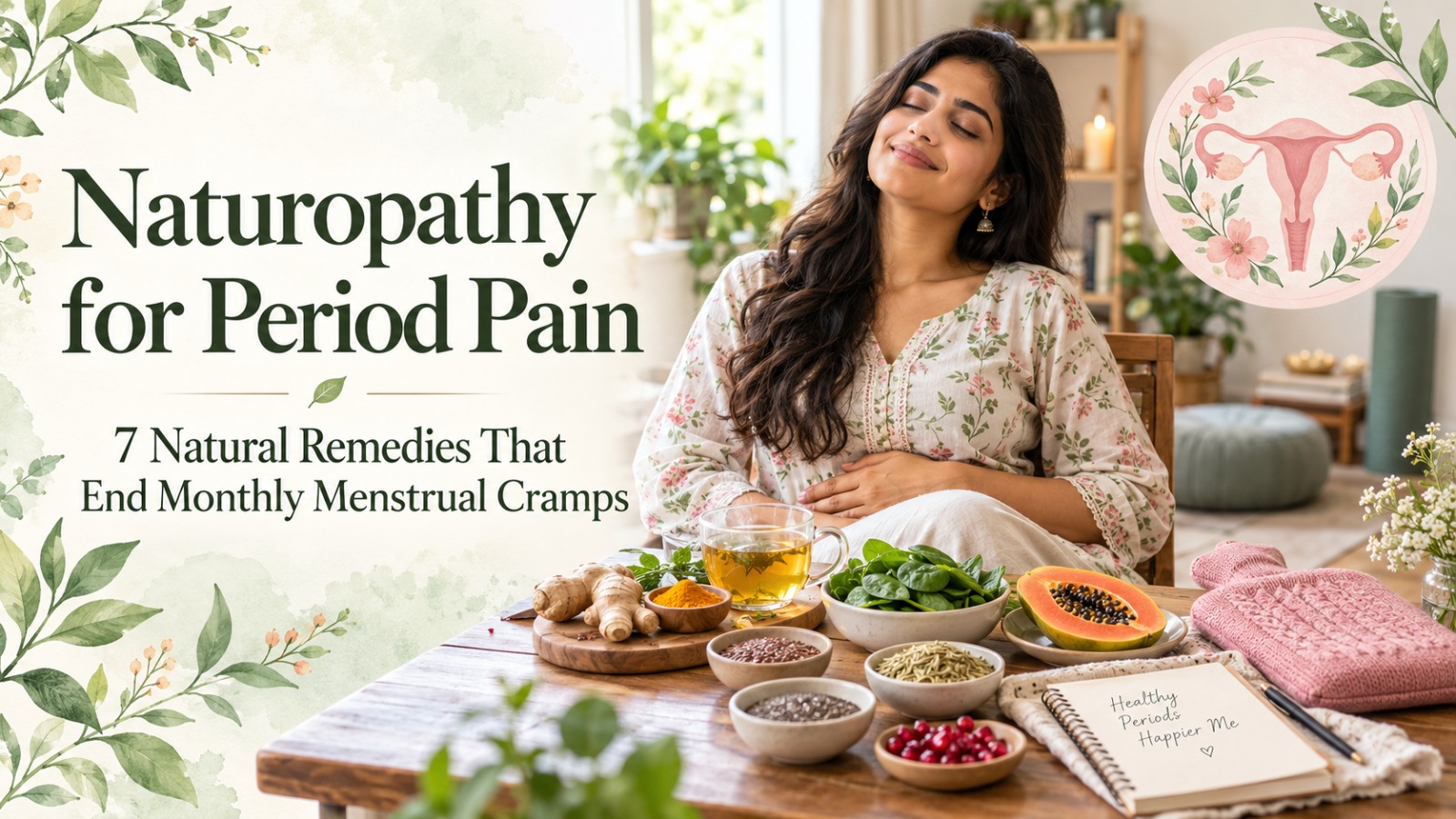
 October 15, 2026
 by
by Table of Contents
- Why Period Pain Happens and What Makes It Worse
- When Period Pain Signals Something More Serious
- 7 Naturopathy for Period Pain Treatments at Nirvana
- What to Do During the Painful Days Themselves
- How Long Before Naturopathy for Period Pain Works
- Frequently Asked Questions
Period pain is so common that it has been thoroughly normalised, and that normalisation does women a real disservice. Mild discomfort during menstruation is physiological. Pain severe enough to require painkillers every month, to keep you home from work, or to leave you curled up unable to function is not something you simply have to accept.
The standard approach is a painkiller during the days it hurts, and for many women that becomes a monthly ritual sustained for decades. It works in the moment and changes nothing about why the pain occurs. Over years, regular NSAID use also carries its own consequences for the stomach and kidneys.
Naturopathy for period pain takes a different approach by addressing the underlying factors: prostaglandin driven inflammation, pelvic congestion, hormonal imbalance, magnesium deficiency, and gut inflammation. At Nirvana Naturopathy Ayurveda Hospital and Retreat, this is one of the areas where women often see the clearest improvement within two to three cycles.
Why Period Pain Happens and What Makes It Worse
Menstrual cramping is caused by prostaglandins, inflammatory compounds released as the uterine lining breaks down. Prostaglandins cause the uterus to contract, which is necessary for shedding the lining, but excessive prostaglandin production causes excessive contraction, reduced blood flow to the uterine muscle, and pain.
Several factors increase prostaglandin production and therefore pain severity. A diet high in refined carbohydrate, sugar, processed oils, and excess dairy promotes inflammation generally, which raises prostaglandin output. Magnesium deficiency matters considerably, since magnesium is required for muscle relaxation and is commonly low in Indian women.
Oestrogen dominance, meaning oestrogen high relative to progesterone, thickens the uterine lining and increases prostaglandin production. Poor gut health impairs oestrogen clearance and worsens this. Sedentary lifestyle contributes through pelvic congestion and reduced circulation. Chronic stress raises inflammation and lowers pain tolerance simultaneously.
Every one of these is modifiable, which is why naturopathy for period pain can produce genuine change rather than only temporary relief.
When Period Pain Signals Something More Serious
This deserves attention before discussing treatment. Period pain that has become progressively worse over time, pain that begins several days before bleeding starts, pain during intercourse, pain with bowel movements during menstruation, very heavy bleeding, or pain that no longer responds to painkillers all warrant gynaecological evaluation.
These can indicate endometriosis, adenomyosis, fibroids, or pelvic inflammatory disease. Endometriosis in particular is notoriously underdiagnosed, with studies suggesting an average delay of seven to ten years between symptom onset and diagnosis, largely because severe period pain gets dismissed as normal.
Naturopathy for period pain helps meaningfully with these conditions as supportive care, but they require proper diagnosis first. If your pain fits any of the patterns above, ask for investigation rather than accepting reassurance.
7 Naturopathy for Period Pain Treatments at Nirvana
1. Anti Inflammatory Diet Therapy
Since prostaglandins are inflammatory compounds, an anti inflammatory diet reduces them at the source. The diet prescribed in our naturopathy for period pain programme removes refined sugar, refined flour, processed oils, and excess dairy, all of which drive prostaglandin production.
It emphasises omega 3 sources including flaxseed and walnut, which shift prostaglandin production toward less inflammatory forms, magnesium rich foods including leafy greens, seeds, and whole millets, and turmeric and ginger for their direct anti inflammatory effects. Ginger in particular has been studied specifically for menstrual pain with results comparable to NSAIDs in several trials.
2. Magnesium Restoration
Magnesium deficiency is widespread and directly relevant here, because magnesium is required for smooth muscle relaxation. Correcting it through leafy greens, pumpkin seeds, almonds, whole millets, and where clinically indicated supplementation, is one of the more reliable interventions in naturopathy for period pain.
Many women notice a difference within one to two cycles of consistent magnesium restoration, which makes it one of the more satisfying changes to implement.
3. Hip Baths and Hydrotherapy
Alternating hot and cold hip baths improve pelvic circulation substantially, which directly reduces the ischaemic component of menstrual pain. Hot fomentation over the lower abdomen provides immediate relief during pain by relaxing uterine muscle and improving blood flow.
These are traditional naturopathic treatments for menstrual disorders that remain among the most effective available, and they are simple enough that guests continue them at home.
4. Abdominal Mud Therapy
Cool mud packs applied to the lower abdomen between cycles reduce pelvic congestion and inflammation, while warm applications during menstruation ease cramping. Mud therapy is used in the non menstrual phase in our programme to reduce the baseline inflammation that determines how painful the next cycle will be.
5. Yoga Therapy for Menstrual Health
Specific asanas improve pelvic circulation and relieve the muscular tension that amplifies cramping. Our naturopathy for period pain protocol uses Supta Baddha Konasana, Balasana, Malasana, Bhujangasana, and gentle spinal twists.
During menstruation itself, practice shifts to restorative postures only, with inversions and strong abdominal work avoided. Pranayama, particularly Nadi Shodhana and Bhramari, reduces the stress that lowers pain tolerance.
6. Panchakarma and Ayurvedic Treatment
Ayurveda understands menstrual pain, Kashtartava, as primarily a Vata disorder with obstruction of Apana Vata, the downward moving energy governing menstruation. Basti is the principal treatment for restoring Apana Vata and is central to our protocol.
Abhyanga, warm oil massage over the lower abdomen and back, pacifies Vata directly and provides both immediate relief and cumulative benefit. Herbal support commonly includes Dashmool, Shatavari, Ashoka, and Hingvashtak, prescribed individually by our BAMS doctors.
7. Gut Repair and Oestrogen Clearance
Because oestrogen dominance increases prostaglandin production, improving oestrogen clearance reduces pain over subsequent cycles. Colon hydrotherapy and dietary gut repair improve the gut’s role in oestrogen excretion, and this is one of the mechanisms by which naturopathy for period pain produces results that build over several months rather than only within one cycle.
What to Do During the Painful Days Themselves
The treatments above work on reducing pain over subsequent cycles. During an actual painful period, several measures provide genuine relief.
Hot fomentation or a hot water bottle over the lower abdomen relaxes uterine muscle and is one of the most effective immediate measures available. Ginger tea taken two to three times daily has research support comparable to mild NSAIDs. Ayurveda and Panchakarma at Nirvana may also complement an individualised approach to menstrual wellness.
Avoid cold food and drinks, which aggravate Vata and typically worsen cramping. Avoid caffeine, which constricts blood vessels and can intensify pain. Slow deep breathing genuinely reduces pain perception and is worth practising deliberately rather than only enduring.
How Long Before Naturopathy for Period Pain Works
Realistically, most women notice meaningful improvement by the second or third cycle after beginning a proper programme. Some notice a difference in the very first cycle, particularly if magnesium deficiency was a significant factor.
The reason for the delay is straightforward. The inflammatory environment that determines how painful a period will be is established over the weeks preceding it, so changes made this month affect next month’s cycle more than this one. The World Health Organization also recognises menstrual health as an important aspect of overall health and well-being.
A seven day residential programme resets the inflammatory baseline, corrects deficiencies, and establishes the dietary and lifestyle pattern. The home protocol provided at discharge is what carries the improvement forward across subsequent cycles.
Stop Planning Your Month Around Your Period
If period pain has been shaping your calendar for years, it is worth addressing properly rather than managing monthly. Our doctors can assess the underlying factors and design a programme accordingly. Contact us for a free consultation.
Frequently Asked Questions
How can I stop period pain naturally without tablets?
For immediate relief, hot fomentation over the lower abdomen, ginger tea, gentle movement and stretching, and slow deep breathing all help genuinely. For lasting reduction, an anti inflammatory diet removing sugar, refined flour and excess dairy, magnesium restoration, regular yoga, and improving oestrogen clearance through gut health produce meaningful change over two to three cycles.
Is severe period pain normal?
Mild discomfort is normal. Pain severe enough to require painkillers every month, keep you from work or study, or leave you unable to function is not, and should not be dismissed. Progressive worsening, pain starting days before bleeding, pain during intercourse, or pain with bowel movements during menstruation all warrant gynaecological evaluation for conditions such as endometriosis or adenomyosis.
Which food reduces period pain?
Ginger has the strongest evidence, with several trials showing effects comparable to mild NSAIDs. Magnesium rich foods including leafy greens, pumpkin seeds, and almonds support muscle relaxation. Omega 3 sources such as flaxseed and walnut shift prostaglandin production toward less inflammatory forms. Turmeric reduces inflammation generally. What to avoid matters equally: sugar, refined flour, excess dairy, caffeine, and cold foods.
Does exercise help or worsen period cramps?
Gentle movement helps considerably. Walking, light stretching, and restorative yoga improve pelvic circulation and reduce the congestion that contributes to cramping, and movement also releases endorphins which reduce pain perception. Intense exercise during heavy flow is best avoided, but complete rest usually worsens pain rather than easing it.
Can naturopathy help with endometriosis pain?
Naturopathy provides useful supportive care for endometriosis, particularly through anti inflammatory diet, oestrogen clearance support, Panchakarma, and pain management therapies. It does not remove endometrial deposits and is not a substitute for gynaecological management. Women with suspected or confirmed endometriosis should be under specialist care, with naturopathy working alongside it.